2025 Wall Calendar Design: Creative Directions
A wall calendar is one of those rare objects that lives at the intersection of function and daily presence. For 2025, the design possibilities go far beyond simply marking dates. A well-conceived wall calendar becomes a visual anchor in a room, a tool for planning, and a subtle expression of taste or intention. Whether you are creating one for your own space, your brand, or a client, the decisions you make about layout, imagery, typography, and material shape how people interact with time across an entire year. This article explores what makes wall calendar design for 2025 interesting, how different creators and professionals can approach it, and practical ways to ensure the result is both inspiring and genuinely useful.
What Makes a Wall Calendar More Than a Date Tracker
A wall calendar has to do two things well: organize time and reward daily glances. The best designs accomplish both without effort from the user. The grid must be legible at a distance, holidays and notes need clear hierarchy, and the visual element—photography, illustration, typography, or pattern—should feel fresh each month without overwhelming the functional content.
For 2025, there is a noticeable shift toward calendars that feel personal, intentional, and connected to how people actually live. Minimalist layouts with generous white space continue to appeal to those who want clarity. Meanwhile, bold typographic treatments and custom illustration styles attract audiences looking for something with personality. The material choices also matter: thick paper stock, thoughtful binding, and even the option to tear off or keep pages influence how the calendar is used and whether it stays on the wall all year.
What makes a wall calendar interesting is not just the cover or the first month. It is how the design sustains attention across twelve months, how it handles transitions between seasons, and how it accommodates the user’s evolving needs—appointments, goals, reminders, or simply a moment of visual pause.
Design Approaches That Feel Relevant for 2025
There is no single right way to design a wall calendar, but some approaches resonate more strongly with current aesthetics and user expectations. Here are several directions worth considering:
Minimalist Grids with Typographic Emphasis
This approach strips away decorative elements and lets the typography carry the personality. A clean sans-serif or a refined serif, generous spacing, and a restrained color palette create a calendar that feels calm and authoritative. This style works well for professional environments, creative studios, or anyone who prefers a distraction-free planning surface. The challenge is to keep each month visually distinct without relying on images—subtle color shifts or typographic treatments for month headers can do this effectively.
Illustration and Narrative Themes
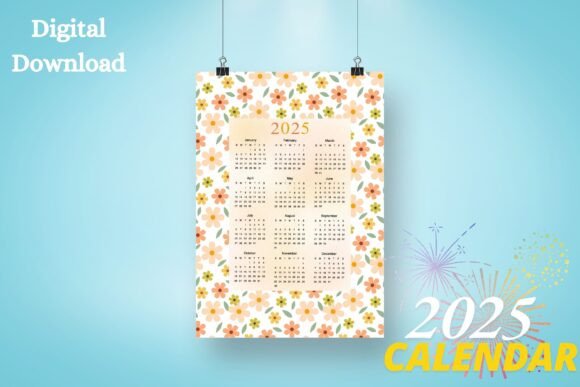
Illustration-based calendars offer a chance to tell a story across the year. Each month can explore a different scene, character, or concept while maintaining a consistent visual language. For 2025, themes like urban landscapes, botanical studies, abstract geography, or everyday rituals resonate because they feel grounded yet imaginative. The key is to ensure the illustrations never compete with the date grid. Placing the art as a full background with a translucent overlay for the dates, or containing it in a dedicated panel, keeps readability intact.
Photography with a Curated Point of View
Photography remains a powerful choice, but generic stock imagery no longer impresses. Curated photo series with a cohesive color grade, subject matter, or mood create a calendar that feels like a curated gallery for the wall. Travel photography, macro details, architectural studies, or documentary-style portraits all work when the images share a consistent editorial eye. The dates should be placed in a consistent position each month so the user knows exactly where to look without hunting.
Interactive and Goal-Oriented Layouts
Some users want more from their calendar than dates. They want to track habits, mark milestones, or visualize progress. A design that includes space for notes, a habit tracker, a monthly goal section, or even a simple mood tracker adds utility without clutter. This approach appeals to entrepreneurs, freelancers, educators, and anyone who treats their calendar as a planning hub. The layout needs to be generous with blank space while keeping the date grid the primary focus.
Matching Design to Audience and Intended Use
A wall calendar designed for a corporate reception area will look different from one created for a small creative business or a personal studio. Understanding the audience informs every decision from paper finish to typography scale.
Designers and creative professionals often prefer calendars that are minimal, monochrome, or typographically bold. They may hang the calendar in a workspace where it complements other visual materials. For this audience, the calendar should feel like a designed object—consistent margins, careful kerning, and a refined color palette matter as much as the dates themselves.
Small business owners and entrepreneurs frequently use wall calendars as both a scheduling tool and a brand touchpoint. A calendar that includes the business logo, brand colors, and key dates (product launches, events, deadlines) turns a practical item into a subtle marketing piece. The design should be clear enough to read from across the room and durable enough to last the year.
Educators and hobbyists often value calendars that offer extra features: space for lesson plans, project timelines, or seasonal activity ideas. For this audience, the design should prioritize function over artistry, though a clean and cheerful aesthetic remains important. A spiral-bound or perforated format allows for removing past months or adding notes.
Bloggers and content creators may use wall calendars as part of their content strategy—a calendar behind them in videos or photos becomes a style element. For this use case, the design should be photogenic and consistent with the creator’s visual brand. Neutral palettes or subtle patterns work better than loud colors that clash with changing content.
Practical Guidance for Clear and Effective Layouts
Regardless of the creative direction, certain principles apply to any well-designed wall calendar. These guidelines help ensure the calendar is used, not just admired.
- Legibility first. The date numbers should be large enough to read from a typical viewing distance. Avoid thin weights or low contrast between text and background. Test the grid at full size before finalizing.
- Consistent date grid placement. Users appreciate knowing exactly where to find the dates each month. Moving the grid around page to page creates confusion. Keep the same margins and grid position throughout the year.
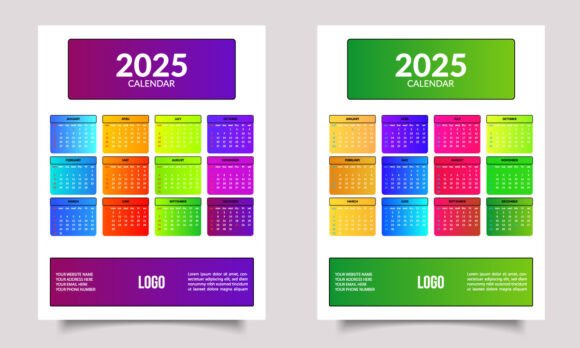
- Thoughtful use of color. Color can differentiate weekends, highlight holidays, or indicate seasons. Limit the palette to two or three colors plus a neutral background. Too many competing hues make the calendar feel chaotic.
- Space for notes. Even a small notes section or a lined area near the dates increases utility. Many users jot down reminders or appointments directly on the calendar.
- Consider the hanging method. A calendar needs to stay flat against the wall. A strong hanger, a magnetic strip, or a sturdy hole punch with a reinforced edge prevents frustration. Thin paper tears easily—use at least 120–170 gsm paper for wall calendars that will be handled frequently.
- Month transitions. The shift from one month to the next should feel intentional. A consistent header style, a recurring visual motif, or a systematic color change helps the user navigate the year without confusion.
Adapting Wall Calendars for Different Formats and Contexts
Not every wall calendar needs to be a standard 12-inch by 12-inch square. Size, orientation, and format can be adapted to fit different spaces and user behaviors.
A vertical format works well in narrow spaces like hallways or between doors. It also suits portraits or tall illustrations. A horizontal format fits above desks or in wide rooms, and it provides more room for a landscape-oriented image alongside the grid. Some designers are exploring single-page monthly calendars that the user tears off, leaving a clean image behind—this approach turns each month into a standalone poster.
For digital-first audiences, a wall calendar design can also be adapted into a printable PDF version or a digital wallpaper set for tablets or desktops. This extends the usefulness of the design beyond the physical wall and allows creators to offer both a printed product and a downloadable companion. The same visual system—type, color, imagery—translates well across formats when the layout is planned with flexibility in mind.
For brands and businesses, a wall calendar can serve as a client gift or annual promotional item. In this context, the design should feel generous and considered, not like an afterthought. Good paper, foil stamping, or a custom cover adds perceived value. Including key dates relevant to the industry—trade shows, deadlines, seasonal peaks—makes the calendar more useful and shows that the brand understands the client’s world.
Keeping Originality and Consistency Across the Year
One of the hardest parts of designing a wall calendar is maintaining visual interest across twelve months while staying coherent. Here are a few approaches that help:
- Use a visual system. Decide on a recurring element—a color gradient, a shape, a typographic treatment—that appears each month. This creates continuity while allowing each month to have its own variation.
- Plan the year in arcs. Group months into seasons or thematic blocks. The first quarter might focus on renewal and fresh starts, the middle months on growth and activity, and the last quarter on reflection and celebration. This arc gives the calendar narrative momentum.
- Limit surprises. While variety is good, drastic style shifts between months can feel jarring. If your design uses photography, keep the editing style consistent. If it uses illustration, maintain the same line weight and color logic throughout.
- Test with real users. Before printing a large run, share a draft with a small group. Ask them to read dates, find holidays, and note where they feel confused or delighted. Real feedback often reveals issues you did not see.
Practical Inspiration for Different Creative Paths
If you are designing a calendar for 2025 and want a starting point, consider these scenarios:
For a design studio or creative agency: Create a calendar that uses typography as the hero. Each month features a different typeface or lettering style, paired with a single accent color. The grid is minimal, and the mood is confident and editorial. This approach positions the studio as a curator of type and craft.
For a local retailer or café: Work with a photographer to capture neighborhood scenes—the corner store, the park bench, the morning light through the window. The calendar becomes a love letter to the community. Patrons will see familiar places and feel connected to the business throughout the year.
For a freelance illustrator or surface designer: Build a calendar around a recurring character or motif. A small bird, a geometric pattern, or a color palette drawn from a different season each month. The calendar doubles as a portfolio piece and a conversation starter with potential clients.
For an educator or workshop leader: Design a calendar with a theme like “monthly experiments” or “creative prompts.” Each month includes a small challenge or idea related to the subject you teach. Students and followers stay engaged beyond formal sessions, and the calendar builds a year-long learning arc.
These are not exhaustive, but they illustrate how the same format—dates on a wall—can serve vastly different purposes depending on who creates it and who uses it.
Maintaining Audience-Focused Design Throughout the Process
It is easy to get lost in the aesthetics of a calendar and forget that someone will look at it every day for a year. The audience’s comfort and needs should guide every decision. A calendar that is beautiful but hard to read will end up ignored. One that is purely functional but visually dull may be replaced before the year ends.
To keep the design audience-friendly, ask yourself these questions during the process:
- Can someone read the date from two meters away?
- Is there enough space to write appointments or reminders?
- Does the visual element add something meaningful, or is it decorative noise?
- Will the design look fresh in June as well as it does in January?
- Does the format match how the audience actually uses a wall calendar?
When the answers are honest, the design stays grounded. The best wall calendars for 2025 are those that balance aspiration with daily reality—they inspire without demanding attention, and they organize without feeling cold. That combination is what makes a wall calendar worth creating, worth buying, and worth keeping on the wall all year long.