Spring Cherry Blossom Floral Background – A Complete Guide to Style, Use Cases, and Alternatives
Few natural motifs evoke the same sense of renewal and subtle beauty as spring cherry blossom floral backgrounds. Whether you are designing a wedding invitation, planning a branding refresh, decorating a event space, or choosing a visual theme for a digital product, cherry blossom patterns offer a distinct blend of softness, cultural resonance, and seasonal optimism. But as with any design or stylistic choice, understanding what makes this option unique, where it excels, and where it may fall short helps you decide whether it fits your specific needs.
This guide walks through the defining qualities of spring cherry blossom floral backgrounds, compares them with other floral and seasonal styles, explores practical strengths and tradeoffs, and offers realistic decision-making guidance. By the end, you will have a clearer sense of when cherry blossom backgrounds are the right fit, and when another direction might serve you better.
What Defines a Spring Cherry Blossom Floral Background
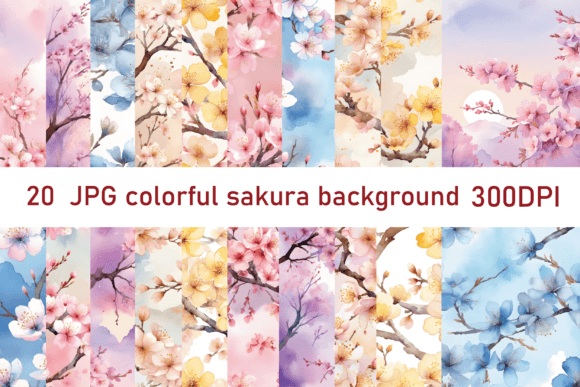
At its core, a spring cherry blossom floral background centers on the delicate, five-petaled blossoms of ornamental cherry trees, typically shown in soft pinks, whites, and pale greens. The style ranges from photorealistic depictions of branches laden with blooms to stylized, minimalist illustrations suitable for modern layouts. What distinguishes cherry blossom motifs from other floral patterns is their light, airy quality and their association with specific cultural narratives—especially the Japanese concept of mono no aware, a gentle awareness of the transience of beauty.
Compared with broader categories like spring wildflower backgrounds or romantic rose patterns, cherry blossom designs tend to feel more restrained and elegant. They rarely overwhelm a composition. Instead, they often create a sense of depth without dominating the foreground. This makes them a popular choice for projects where you want a natural, harmonious backdrop that supports rather than competes with text or central imagery.
Another defining aspect is seasonality. While roses or sunflowers work across multiple seasons in design, cherry blossoms are strongly tied to early spring. This can be a strength if you are aiming for a timely, fresh feel, but it also means the style may feel out of place in autumn or winter contexts unless deliberately contrasted.
How Cherry Blossom Backgrounds Compare with Other Floral Styles
To evaluate whether a spring cherry blossom floral background is right for you, it helps to look at how it stacks up against alternative floral approaches. Below are three common categories and where cherry blossom designs fit relative to them.
- Pastel garden florals. Think mixed blooms in muted pinks, lavenders, and creams. These are versatile and work across seasons, but they can feel generic. Cherry blossom backgrounds offer a more focused palette (predominantly pink and white) and a stronger emotional anchor, making them more memorable in branding or event design.
- Bold tropical or botanically dense patterns. These feature large leaves, vivid colors, and high contrast. They read as energetic and modern, but they compete strongly with foreground elements. Cherry blossom backgrounds, by contrast, are more forgiving for text overlays and subtler aesthetic applications.
- Classic English garden or vintage florals. These patterns often include roses, peonies, and ivy with richer, warmer tones. They evoke tradition and comfort, but they can feel heavier and less current. Cherry blossom motifs feel lighter and more contemporary, particularly in minimalist or Scandinavian-inspired designs.
The tradeoff is that cherry blossom backgrounds can be less flexible. If your project needs to serve multiple seasons or diverse branding contexts, a mixed floral or neutral botanical pattern may stretch further. However, if you want a distinct seasonal identity, cherry blossoms deliver a clear and cohesive message.
Strengths of Spring Cherry Blossom Floral Backgrounds
Several strengths make cherry blossom backgrounds a strong candidate for many projects. First, they offer a unique balance of natural beauty and minimalism. The blossoms are visually interesting without being chaotic, which is why they appear so often in stationery, wedding materials, and packaging for beauty or wellness products.
Second, they carry cultural and emotional weight without being overtly religious or political. The association with spring, renewal, and fleeting beauty gives a design depth that many users find compelling. For audiences familiar with East Asian aesthetics, the motif can add a layer of sophistication and respect. For those less familiar, the soft colors and organic shapes still communicate freshness and grace.
Third, cherry blossom backgrounds work well across formats. A high-resolution photograph of cherry blossoms can serve as a full-bleed website background, while a line-art version works for embroidery, print on fabric, or social media graphics. The style adapts to both digital and physical mediums without losing its identity.
Where Cherry Blossom Backgrounds Excel
In practical terms, spring cherry blossom floral backgrounds tend to perform exceptionally well in the following scenarios:
- Event invitations and save-the-dates: Their romantic yet subtle tone suits weddings, bridal showers, and spring birthday celebrations. The blossoms signal a specific time of year and mood, which helps guests immediately understand the event’s character.
- Wellness and beauty branding: Spas, skincare lines, and yoga studios often use cherry blossom imagery to convey calm, purity, and natural care. The delicate colors align with clean beauty trends.
- Seasonal marketing campaigns: Retailers, cafes, and hotels use cherry blossom themes for limited-time spring promotions. The motif creates urgency tied to the season, encouraging bookings or purchases before the blossoms “fade.”
- Stationery and paper goods: Notebooks, greeting cards, and planners with cherry blossom patterns appeal to buyers who want something elegant but not overly feminine or flashy.
In each case, the background supports the main content rather than overpowering it. That is one of the strongest arguments for choosing cherry blossoms over more aggressive floral designs.
Tradeoffs and Limitations to Consider
No design choice is without compromises, and spring cherry blossom floral backgrounds are no exception. One limitation is color range. While pink and white dominate, these tones can feel too soft if your project needs high contrast or strong visual impact. For a bold poster or a call-to-action heavy landing page, cherry blossoms may look washed out or overly gentle.
Another limitation stems from cultural specificity. Cherry blossoms are deeply tied to Japanese and, to a lesser extent, Korean and Chinese traditions. If your audience is unfamiliar with these contexts—or if you are working in a region where cherry blossoms are not native—the motif might read as generic “Asian-inspired” or simply as another pink flower. That is not necessarily negative, but it reduces the nuanced meaning you might be aiming for.
There is also a practical consideration around replication. Because cherry blossoms are relatively small and intricate, they can lose clarity when scaled down too far—for example, in small mobile UI elements or tiny print details. A simplified vector version solves this, but that requires additional design effort.
When Another Option May Be a Better Fit
Let us be straightforward: a spring cherry blossom floral background is not always the best choice. If your project calls for year-round versatility, consider a neutral botanical pattern with broader seasonality. If you need high visual impact on a crowded shelf or screen, a bold geometric or tropical pattern may draw more attention. And if your brand identity is built around ruggedness, masculinity, or industrial minimalism, cherry blossoms may feel mismatched.
Similarly, for projects targeting older adult audiences who associate floral patterns with traditional domestic decor, cherry blossoms might seem too delicate or derivative. In those cases, a more structured floral—such as magnolias or lotus blossoms—could retain floral appeal without the same connotations.
Practical Decision Factors
When you are choosing between a cherry blossom background and an alternative, consider three factors:
- Seasonality vs. timelessness. How long does this design need to feel current? If you want something that works across months or years, invest in a less seasonal motif. If you are creating something that will only appear during early spring, cherry blossoms are ideal.
- Foreground content volume. How much text, imagery, or interactive elements will sit on top of the background? Cherry blossoms work beautifully as a subtle backdrop when there is substantial foreground content. If your layout is very sparse, the blossoms themselves become the main visual, and you will want them to be high-quality and compositionally strong.
- Audience familiarity. Does your audience have cultural or aesthetic ties to cherry blossoms? If yes, the background reinforces connection. If no, you may need to pair it with other cues (color palette, typography) to communicate the intended mood.
Practical Examples of Decision-Making
Consider a small business owner launching a limited-edition spring candle line. The target audience is women aged 25–40 who value natural ingredients and aesthetic packaging. Here, a spring cherry blossom floral background aligns perfectly with product positioning and seasonal timing. The soft pink tones and floral motifs reinforce the “spring renewal” concept, and the background can be used across the candle label, website banner, and social media posts. The tradeoff is that the same packaging may look dated by summer, but that is acceptable for a seasonal product.
Now consider a freelance graphic designer building a portfolio website. The designer wants a background that feels creative and fresh but does not dominate the work samples. Cherry blossoms could work if used sparingly—perhaps as a faint watermark or as a narrow border element. But a subtler abstract gradient or neutral texture may serve better by never distracting from the portfolio pieces.
For a corporate brand revamp targeting B2B clients, a cherry blossom background is likely too soft and seasonal. A more structured pattern—like geometric lines or subtle dot grids—communicates professionalism and stability without calling attention to itself.
Making Your Decision
Choosing a spring cherry blossom floral background ultimately comes down to alignment between the motif’s inherent qualities and your project’s goals. If you value elegance, seasonality, and a quiet natural beauty, this style offers a strong, tested option. If you prioritize versatility, boldness, or neutrality, you will likely find better alternatives in other floral families or non-floral patterns.
The best approach is to prototype: pull a real cherry blossom background into your design or layout, test it with your actual content, and observe how it interacts with your foreground elements. That small investment in evaluation will tell you more than any comparison list can. And if cherry blossoms do not fit, you will at least know exactly why, which is far more useful than guessing.
Spring cherry blossom floral backgrounds are not a universal solution, but when they fit, they fit beautifully. Understanding where they shine and where they compromise gives you the confidence to use them intentionally—or to set them aside for something better suited to your work.