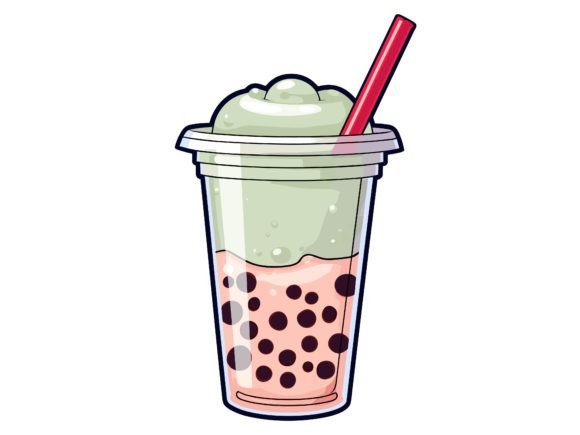
The Role of a Cute Boba Tea Vector Illustration in Modern Brand Design
Searching for the perfect visual asset for a boba tea business, blog, or marketing campaign quickly surfaces a specific category: the cute boba tea vector illustration. This term represents more than a fleeting design trend. It describes a functional, strategic asset with distinct advantages over photography, hand-drawn art, or simple icons. Understanding what a vector illustration provides—and what it inherently lacks—is essential for making a smart creative decision.
This article examines the defining characteristics of the cute boba tea vector illustration, compares it with common alternatives, and outlines the specific scenarios where it serves best or falls short. Whether you are a small business owner, a marketing professional, or a content creator, weighing these factors will help you choose a visual format that aligns with your practical needs and brand identity.
What Defines a Cute Boba Tea Vector Illustration
A vector illustration is built from mathematical points, curves, and paths rather than a fixed grid of pixels. This technical foundation gives it properties that differ fundamentally from a photograph or a raster digital painting. When the term "cute" is added, a specific visual language emerges. A cute boba tea vector illustration typically features rounded shapes, soft or pastel color palettes, stylized facial expressions (like smiling eyes or blushing cheeks), and simplified details that emphasize charm over photorealism.
This combination of format and aesthetic creates a unique tool. It is not attempting to replicate the exact texture of tapioca pearls or the condensation on a cold glass. Instead, it captures the essence and personality of the product in a visually appealing, easily reproducible way. The distinction matters because the decision to use a vector illustration should be driven by both the look you want to achieve and the practical demands of where the asset will appear.
Distinct Strengths: Scalability and Consistent Charm
The most immediate advantage of any vector file is scalability without degradation. A cute boba tea vector illustration can function as a 32-pixel app icon and a 48-inch storefront decal using the same source file. The image remains crisp at every size because the rendering engine recalculates the math at each scale. A raster image, by contrast, would need to be painstakingly recreated at multiple resolutions or risk appearing blurry or pixelated when enlarged.
Editability is a second pillar of the vector format. If your brand colors shift, a new seasonal menu launches, or you simply want to test a different straw color, a vector file allows these changes in seconds. Layers, color swatches, and independent objects make iteration fast and precise. For a business that produces multiple menu variations or seasonal marketing materials, this flexibility translates directly into lower long-term production costs and faster turnaround times.
File efficiency is another practical benefit. A detailed cute boba tea vector illustration is often a fraction of the file size of a high-resolution photograph or a complex raster illustration. Smaller files load faster on websites and mobile apps, contributing to a smoother user experience and improved search performance. For digital-first brands, this technical edge supports both design goals and functional requirements.
How Vector Illustrations Compare with Common Alternatives
No single format serves every purpose, and understanding the tradeoffs between a cute boba tea vector illustration, photography, and raster digital art is critical for an informed decision.
Vector Illustration versus Photography
A photograph delivers realism. It captures the authentic condensation on a cold cup, the intricate texture of tapioca pearls, and the organic lighting of a real environment. If your brand relies on sensory authenticity or a premium, editorial aesthetic, high-quality photography is a strong choice.
However, photography is less flexible. Changing a background color, removing a reflection, or altering a component often requires significant retouching or a new shoot. A cute boba tea vector illustration sacrifices realism but gains total control over every element. It communicates a consistent, stylized personality that is difficult to maintain across a full photography campaign. The choice comes down to whether your priority is authenticity or agile, consistent branding.
Vector Illustration versus Raster Digital Art
Raster illustrations created in programs like Procreate or Photoshop offer rich textures, watercolor washes, and complex lighting effects that vectors struggle to replicate efficiently. This organic, handcrafted look can feel more artistic and unique.
The tradeoff lies in editing and scaling. A raster illustration lives at a fixed resolution. Enlarging it introduces blurriness, and editing a single element can be destructive to surrounding areas. If your brand identity thrives on hand-drawn texture and you work primarily in standard print sizes, raster art is compelling. If you need to scale, adjust, or repurpose the asset across dozens of platforms, a cute boba tea vector illustration provides superior practicality.
Vector Illustration versus Simple Icons
Simple line icons or basic emojis are quick, low-cost, and universally understood. They work well for navigation, wayfinding, or minimal interfaces.
However, they lack the personality and storytelling capacity of a cute boba tea vector illustration. An icon communicates a function. A fully realized vector illustration communicates a brand, a mood, and a culture. If your goal is differentiation and emotional connection, investing in a more detailed illustration yields a stronger return than relying on generic icons.
Limitations and Tradeoffs to Consider
Despite its strengths, the cute boba tea vector illustration format carries inherent limitations that may make it unsuitable for certain projects.
The risk of a generic aesthetic. The "cute" vector style is popular, used widely across food and beverage branding. If you rely on an unmodified template or a common stock illustration, your brand may blend into a crowded visual landscape. Distinction requires either a custom commission or significant creative editing of existing assets. A generic vector can communicate "boba shop" but may fail to communicate your boba shop.
The texture ceiling. Vectors are mathematically clean, which is a strength, but also a limitation. They lack the organic grain, watercolor bleed, or dusty texture that many brands use to convey authenticity, craftsmanship, or nostalgia. Attempting to force complex textures into a vector file increases its complexity and file size, often defeating its purpose. Brands that rely heavily on tactile, analog aesthetics may find vector illustrations feeling too sterile or corporate.
Skill and cost barriers. Creating a high-quality custom cute boba tea vector illustration requires proficiency in dedicated software like Adobe Illustrator or Affinity Designer. This skill set commands a premium price. Stock vectors are affordable but require careful licensing review and often lack uniqueness. Custom raster art can be created with lower-cost tools, but lacks the scalability of vectors. The decision involves balancing your budget against your need for uniqueness and flexibility.
When a Cute Boba Tea Vector Illustration Is the Right Choice
Based on the strengths and tradeoffs outlined, specific scenarios strongly favor the vector format.
- Digital-first branding: If your primary presence is on mobile apps, websites, or social media, scalability and fast loading times are critical. A cute boba tea vector illustration performs exceptionally well in these environments.
- Multi-platform campaigns: When the same asset needs to appear on a billboard, a coffee sleeve, an Instagram post, and a website header, vectors provide seamless consistency that photographs or raster art cannot match.
- Frequent iteration: If you plan to update colors for seasons, holidays, or new product launches, the editability of a vector file radically reduces production time and cost.
- Friendly, approachable branding: For brands targeting a younger demographic or aiming to communicate warmth, playfulness, and accessibility, the cute vector style aligns directly with that personality.
When You May Need a Different Approach
- Premium or minimalist positioning: If your brand emphasizes sophistication, luxury, or artisanal craftsmanship, a cute boba tea vector illustration may feel too playful or mass-market. Photography or restrained typography might better serve your identity.
- Texture-driven design: If your visual identity depends on watercolor, grain, or photorealistic details, a raster workflow in photography or painting offers capabilities vectors cannot replicate convincingly.
- Extremely limited budget for custom work: While templates exist, generic vector assets may dilute your distinctiveness. In this case, a single high-quality photograph or a simpler icon set might provide clearer value than a compromised vector illustration.
Practical Steps for Sourcing a Vector Illustration
If you decide that a cute boba tea vector illustration fits your needs, focus your sourcing on a few key criteria to ensure long-term usefulness.
- File format: Request SVG, EPS, or AI files. Avoid JPEG or PNG, as these are raster formats and lack the editability you need. Insist on layered files if you anticipate making changes.
- Licensing: Review whether the license covers your intended use. Standard licenses often restrict merchandise production or high-volume printing. Extended licenses grant broader commercial rights and are essential for physical products. Do not assume a file bought for a few dollars includes full commercial permissions.
- Custom versus template: A custom commission from an experienced illustrator ensures originality and brand alignment. A template offers speed and lower upfront cost but carries the risk of a generic appearance. Evaluate your brand’s need for distinctiveness against your budget constraints honestly.
Making an Informed Decision
The cute boba tea vector illustration is not inherently superior to photography or raster art. It is a specialized tool with clear advantages in scalability, editability, file efficiency, and consistent charm. It is an excellent choice for digital brands, multi-platform campaigns, and businesses that prioritize flexibility and iteration speed.
At the same time, it carries risks of generic aesthetics and limited textural depth. Brands anchored in realism, premium minimalism, or handcrafted texture may find better alignment with other formats.
The most effective creative decisions stem from a clear understanding of your brand voice, your primary distribution platforms, and your practical needs for editing and scaling. When evaluated honestly, a cute boba tea vector illustration can be a powerful asset for brands that need charm, consistency, and adaptability across a fragmented media landscape.