Workout T Shirt Design: Typography That Moves
When you see a great workout shirt from across the gym, something about it pulls you in before you even read the words. That something is the typography. Workout t shirt design sits at an interesting intersection of fashion, branding, and function. It needs to catch attention from ten feet away, survive a spin cycle, and still say something about the person wearing it—all while the wearer is mid-squat or dripping sweat on a treadmill. That is a lot to ask from a single typeface and layout, but when done right, the results speak volumes.
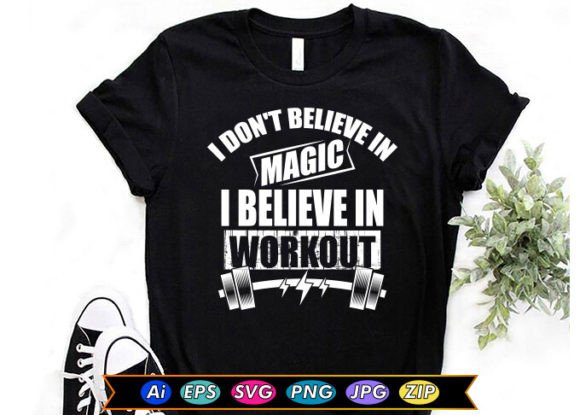
The visual personality of workout t shirt design leans bold, direct, and unapologetic. Think heavy sans serif fonts, compressed letterforms, and lettering that feels like it was chiseled rather than drawn. Capitals dominate. Negative space gets filled with impact. The overall look is energetic without being chaotic, muscular without feeling aggressive. Some designs lean into a handwritten font style to bring an authentic, human touch—especially popular for motivational phrases or community-focused brands. Others go full display font with distressed textures or inline cuts that mimic athletic tape or speed lines. The common thread is clarity. A workout shirt rarely has the luxury of being studied closely. It has to communicate fast and leave an impression.
The Personality Behind the Letters
The best workout t shirt design does not scream. It stands. The personality is confident but approachable, which is a hard balance to strike. A font that feels too corporate lands flat in a gym setting. A font that feels too childish undermines the seriousness of the training. The sweet spot is something a bit utilitarian—a sans serif font with a wide stance, maybe with slightly rounded corners to soften the edges. That combination says, I am here to work, but I am not here to intimidate.
On the other hand, if the brand targets competitive athletes or high-intensity training programs, a more angular, condensed serif font or slab serif can convey discipline and heritage. There is a reason old-school strongman logos often use modified serifs. They feel grounded and permanent. The modern typography movement has brought a lot of these vintage-inspired styles back into the conversation, especially for gyms that want to evoke a classic iron-pumping era while still looking current.
Where Workout T Shirt Design Works Best
This is not a one-size-fits-all kind of style. The applications matter. In logo design for a fitness brand, a custom handwritten font or a bold display font creates instant recognition. Think of how many gym logos you remember simply because the lettering had weight and motion. That is not accidental.
For editorial design in fitness magazines or training guides, the same typographic principles carry over, but with more breathing room. A headline in a bold sans serif font paired with body text in a clean serif font creates visual hierarchy that guides the reader naturally. The font pairing does not have to be complex. Often a single premium font family with multiple weights is enough to handle everything from pull quotes to captions.
In packaging design for supplements or fitness gear, workout t shirt design typography signals strength and results. Consumers browsing shelves make split-second decisions. A typeface that looks sturdy and active reassures them the product inside matches the promise on the label.
For web design and social media graphics, the challenge is readability across devices. A creative font that works on a shirt at twelve inches might look muddy on a phone screen at three inches. That is why many designers stick with a versatile commercial font that includes multiple optical sizes or at least offers clear weights for digital use. The same principle applies to brand identity work: consistency across print, digital, and apparel requires a typeface that performs well everywhere, not just on a mockup.
How Typography Shapes Brand Perception
Readability is the baseline. Visual hierarchy is the next layer. But the real magic of a strong workout t shirt design happens at the level of brand perception. A font choice tells the audience whether the brand is serious, playful, elite, or community-driven before a single word is read. This is where modern typography decisions directly influence audience engagement.
Let me give you an example. A CrossFit box uses a bold, condensed display font with a slight grunge effect. The message is clear: we do hard things, and we do not polish everything. Meanwhile, a yoga studio opts for a light, flowing handwritten font on their apparel. Same garment category, completely different audience. Both are authentic to their brand because the typeface supports the personality.
Professionalism shows up in the details. Proper kerning, consistent stroke weights, and appropriate letter spacing signal that the design was intentional. A shirt with poorly spaced type looks cheap, no matter how expensive the fabric. A shirt with a carefully chosen premium font and balanced layout feels premium by association. That perception carries over into editorial design and packaging design as well. Consistency across all touchpoints builds recognition over time.
Recognition is the long game. When someone sees a letterform or a style they associate with a brand they trust, they engage faster. That is the power of brand identity done right. And it starts with a single font decision.
Choosing the Right Type for Your Project
Start with the project brief. Is this for a one-off event shirt, a full apparel line, or a brand that spans digital and print? If it is a single shirt, you have more freedom to experiment with a script font or a handwritten font that has personality but might not work well for body copy. If it is a brand, you need a family that can scale across logo design, social media graphics, and web design without breaking the consistency.
Test your font pairings early. A common approach is to pair a bold display font for short phrases or the brand name with a clean sans serif font for secondary text or taglines. Avoid pairing two fonts that compete for attention. One should lead, the other should support. I have seen many projects where the designer falls in love with two strong display fonts and the result is visual noise. Less competition, more clarity.
Review the included styles of any commercial font before purchasing. Does it have italics? Multiple weights? Small caps? These matter for building hierarchy across different applications. A premium font that only comes in one weight might look great on a shirt but leave you stranded when you need a lighter version for a website footer.
Readability considerations are not just about size. They are about context. A font that looks sharp on a white background might lose definition on a black shirt or a busy pattern. Always test your type against the actual background and production method. Screen printing, direct-to-garment, and embroidery all handle fine details differently. A thin serif font might disappear in embroidery, while a sans serif font with open counters will hold up well.
Commercial licensing is another practical concern. If you are designing for a client or selling shirts, verify that the font license covers commercial use. Many creative font licenses restrict embedding in digital products or limit the number of impressions. A legit commercial font with proper licensing saves headaches down the road. It also supports the designers who spend countless hours refining these tools.
Real-World Observations and Recommendations
One of the most effective uses I have seen of strong typography in workout apparel came from a small gym that used a custom handwritten font for their name and a condensed sans serif font for their tagline. The handwritten element made the brand feel personal, like something a friend scribbled on a whiteboard after a good session. The condensed sans serif brought the professionalism. That combo worked across shirts, hats, and their mobile site without feeling stretched.
On the flip side, I have seen brands invest heavily in a premium font but neglect the layout. The typeface itself was excellent, but the placement on the shirt was too low, or the spacing between letters was inconsistent. No font can save poor composition. The design assets are only as strong as the structure around them.
If you are new to designing workout shirts, start simple. Pick one display font that captures the energy you want. Pair it with a neutral sans serif font for secondary details. Test the design at actual print size on a mockup. Look at it from across the room. If you can read it clearly and it makes you feel something, you are on the right track.
The workout t shirt design space rewards bold choices, but it also rewards restraint. Every element should earn its place. The typography should support the message, not overpower it. And above all, it should make the person wearing it feel like the shirt was made for them—not just for a catalog.