2024 Planner
There’s something about the turn of a year that makes us want to get our lives in order. But a 2024 planner isn’t just a calendar with fresh dates—it’s a tool that can adapt to how you actually work, live, and think. Over the years, I’ve seen planners sit unused on desks, and I’ve also seen them become the quiet backbone of someone’s entire routine. The difference usually comes down to fit: does the planner match the user’s real-world situations, or is it just a pretty notebook? Let’s explore how different people might actually put a 2024 planner to use.
For the freelance creative who needs structure without rigidity
If you’re a freelance designer, writer, or artist, your schedule is rarely a straight line. You might have a project deadline, a client call, and a sudden burst of inspiration that completely shifts your day. A 2024 planner can become the grounding element in that chaos. Instead of forcing you to rigidly block every hour, it can serve as a weekly overview where you note the three key deliverables for the week, then use the daily pages for running notes and quick sketches. One illustrator I know uses her planner not to track time, but to log what she finished each day—a small victory list that keeps her motivated. The real utility here is not so much scheduling as it is reducing the mental load: you stop trying to remember everything, and start trusting the book.
- Strengths: Adaptable layouts, room for notes and doodles, tangible satisfaction of crossing off creative wins.
- Limitations: If you rely on digital calendar reminders for client meetings, a paper planner might need a backup system for urgent alerts.
For the career professional mapping strategic goals
Managers, team leads, and entrepreneurs often have a different need: they want to see the big picture without losing the details. A 2024 planner that includes quarterly reviews, goal breakdowns, and project milestones can transform how you approach your work year. Instead of a simple datebook, it becomes a place to sketch out where you want your team to be in March, what skills you want to build by June, and how you’ll measure progress. I’ve watched a small business owner use a planner with a “monthly highlight” section to review revenue streams and adjust marketing spend—not because the planner forced her, but because the layout invited reflection. The key is that the planner doesn’t manage you; you manage it. In meetings, a planner can also serve as a quiet anchor—writing down action items while everyone else scrolls their phones.
- Strengths: Structured goal-setting sections, professional appearance, ability to track both short and long term.
- Limitations: If your organization uses digital project management tools (Trello, Asana), a paper planner can become redundant if you don’t integrate both.
For the lifelong learner balancing courses and curiosity
Whether you’re studying for a certification, learning a language, or picking up a new hobby, consistency is often harder than content. A 2024 planner can help you build a rhythm without turning learning into a chore. Imagine using the weekly spreads to block out three thirty-minute study sessions, then using the notes pages to jot down questions you want to research later. One friend who is learning Spanish uses her planner’s monthly view to mark small deadlines—like finishing a Duolingo unit or watching a movie without subtitles. The planner works as a gentle accountability partner. It’s not about cramming; it’s about seeing your progress and realizing that a little every week adds up more than you think.
- Strengths: Habit tracking options, space for reflections, ability to separate study from work in the same book.
- Limitations: If your learning is very digital (video courses, apps), you might end up writing less and needing more reminders than a paper plan can give.
For the family manager coordinating multiple lives
Parents and caregivers often juggle appointments, meal plans, school events, and their own commitments. A family-centered use of a 2024 planner could involve a column per person or a shared section for household tasks. I’ve seen a mom of two use a vertical weekly layout to color-code each family member—blue for dad, pink for daughter, green for son, black for household—and suddenly the chaos of who needs to be where became visually clear. The planner sat on the kitchen counter, and everyone knew to check it before asking “What’s today?” The real benefit here is reducing the mental burden of scheduling. It’s less about time management and more about sanity management. However, one limitation: if multiple people need to update it, a paper planner can get messy quickly unless you establish a simple system (like sticky notes for temporary changes).
- Strengths: Tangible visibility for the whole family, less screen time, satisfying to check off tasks together.
- Limitations: Needs a central location, can be hard to carry around, kids might lose the pen.
For the wellness-focused individual tracking habits and mood
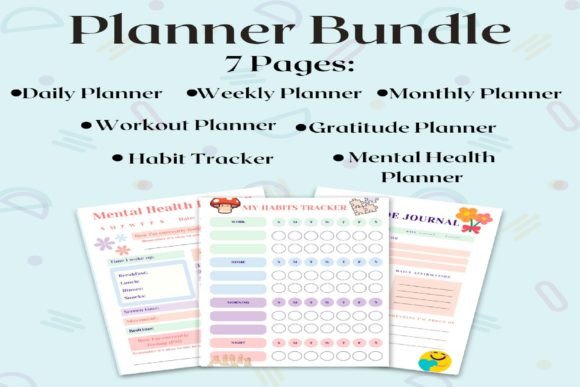
Some people use a 2024 planner primarily as a wellness log. It can include habit trackers for water intake, exercise, sleep, or meditation, as well as mood journaling space. The benefit is that you start noticing patterns: after a few weeks, you might see that low energy days follow nights of poor sleep, or that you feel more productive after a morning walk. One person I know uses the monthly grid to color in a small square per day based on her stress level—green, yellow, red. Over a quarter, the visual instantly shows which weeks need extra attention. The 2024 planner, in this context, becomes a mirror rather than a schedule. It’s not about doing more; it’s about understanding yourself better. The catch is that habit tracking works best when you keep it simple—if you try to track ten habits at once, the planner can start feeling like a chore itself.
- Strengths: Encourages self-reflection, creates visual data, low tech and calming.
- Limitations: Habit tracking requires daily discipline; if you skip a week, it’s easy to abandon completely.
Before you choose your 2024 planner: a few real-world considerations
Planners come in many formats—weekly, daily, monthly, or a blend. Some start in January, others in July (academic year). Size matters: a pocket planner is easy to carry but might not have enough space for detailed notes, while an A5 can feel bulky in a small bag. Paper quality affects whether your pen bleeds through. And binding type—spiral, stitched, ring—determines if it lies flat. But beyond those features, the most important question is: how do you naturally plan? If you rarely look ahead more than a week, a daily planner with hourly slots might feel overwhelming. If you tend to think in months, a monthly spread with task lists might suit you better. It’s okay to try one format and switch next year. No planner is perfect for everyone—the best one is the one you actually use.
Also consider your environment: if you work mostly on screens, a paper planner might feel like a refreshing break (many people use it as a digital detox). If you’re already note-taking heavily in meetings, a planner that also serves as a notebook could reduce the number of books you carry. I’ve found that people who love their planners often adapt them with stickers, washi tape, or custom inserts—not for decoration, but to make the planner work for their specific quirks.
A note on digital versus paper
This article focuses on physical planners, but many people combine digital and paper. For instance, you might use a 2024 planner for daily intentions and weekly reviews, while keeping your phone calendar for appointments with automatic reminders. This hybrid approach can work beautifully—the planner gives you space to think, the phone gives you alerts. The only risk is duplication of effort: if you enter the same event twice, you might eventually drop one system. So decide which is your “source of truth.” For many, the planner becomes the slow, thoughtful hub, while the calendar handles the fast logistics.
Ultimately, a 2024 planner is a small investment that, when chosen thoughtfully, can support real life—not by forcing you into a system, but by flexing to how you already operate. Whether you’re mapping career growth, managing a household, or just want to feel less scattered, the right planner can quietly make your year feel more manageable. And that’s a lot more than just dates on a page.